Dominos: The All-Caps Typeface for Bold, Playful Branding
There's a moment in every design project when you realize the standard fonts just aren't cutting it. You're working on a logo for a new board game café, or maybe you're creating the cover for a children's activity book, and everything looks... fine. But it doesn't have that spark, that sense of personality that makes someone stop scrolling and actually pay attention. This is where a font like Dominos enters the picture—not as a subtle background player, but as a headline act with a distinct, confident voice.
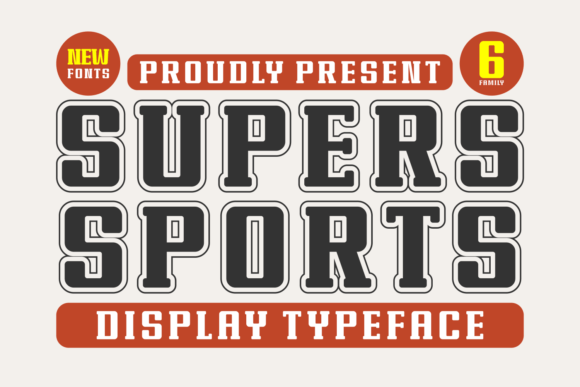
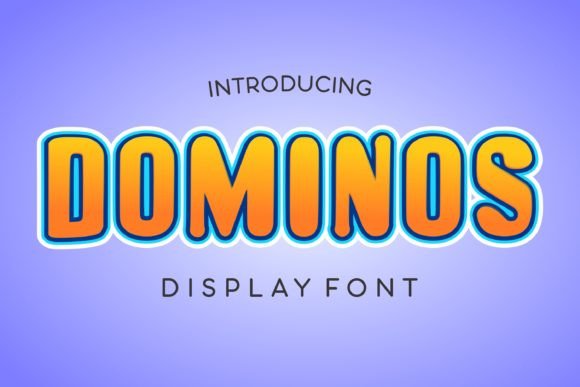
Dominos isn't trying to be everything to everyone. It's a premium display font, all-caps and unapologetically bold, with a character that feels both modern and a little retro. Think of the lettering on vintage arcade cabinets or the titles of classic Saturday morning cartoons. It has that same energetic, slightly chunky quality that immediately communicates fun and approachability. The letterforms are designed with a certain weight and presence, making them ideal for situations where you need text to command attention without being aggressive. It’s a creative font that understands its role: to set a tone instantly.
Where a Font with This Personality Truly Shines
The real value of a typeface like this is realized when you move beyond generic applications and think about specific creative contexts. Its all-caps structure and playful geometry make it a natural fit for projects centered around games, entertainment, and youthful energy. Imagine it on the box of a new tabletop game—the title leaping out from the shelf, promising hours of fun. Or picture it as the main logo for a family-friendly pizza brand, where the name itself feels like an invitation to gather and enjoy.
But its utility extends far beyond literal game boards and food packaging. Consider these practical applications:
- Brand Identity Systems: For a brand targeting kids, teens, or families, using Dominos for key headlines in marketing materials can create a cohesive and recognizable visual language. It works beautifully on social media graphics, website banners, and email headers.
- Packaging Design: On shelf displays, product labels, or merchandise like t-shirts and mugs, its boldness ensures readability from a distance. It’s a fantastic choice for product names or catchy slogans.
- Event & Invitation Design: Birthday party invitations, festival posters, or school event flyers gain an instant dose of excitement. It sets a festive mood before a single word of the details is read.
- Editorial & Digital Products: Use it for chapter titles in a young adult novel, the cover of a recipe book aimed at families, or as a standout font for quotes and call-to-action buttons in a digital magazine.
Pairing and Practicality: Making It Work for Your Project
A strong display font is a powerful tool, but it rarely works alone. The key to using Dominos effectively is understanding its role in a typographic hierarchy. Think of it as your headline or accent font, not your body copy. Its all-caps nature and distinct style mean long paragraphs set in Dominos would be difficult to read. Instead, pair it with a cleaner, more neutral typeface for longer text.
For example, combining Dominos with a simple sans-serif font like Open Sans or Lato for body text creates a clear contrast that is both visually interesting and easy to read. If your brand leans more classic or editorial, pairing it with a refined serif font for supporting text can create a sophisticated yet playful tension. The goal is to let the display font make the first impression and then let a more subdued font handle the detailed information. Always test your font pairings in the context of your actual design—see how they interact on a mockup of a business card, a social media post, and a website header.
Beyond the Letters: Licensing and Long-Term Use
When you're investing in a design asset like a premium font, especially for commercial projects, the licensing is a crucial practical consideration. A font labeled for "commercial use" typically means you can use it in projects where you are selling a product or service, like client logos, packaged goods, or paid digital products. However, the specific terms can vary. It’s always your responsibility to review the font's license agreement to understand what is permitted. This is part of being a professional and respecting the work of type designers.
Look for what’s included with the font package. A well-equipped creative font will often come with multiple styles or weights—perhaps a regular, bold, and outline version. These variations give you more flexibility within your designs, allowing you to create emphasis and hierarchy using the same typeface family. Checking for extended language support is also wise if you work with international clients or audiences.
Ultimately, choosing a typeface like Dominos is about matching a visual tool to a specific communicative goal. It’s not the right choice for a law firm’s annual report, but it could be perfect for that report’s cover if it’s for a firm specializing in entertainment law. Its strength lies in its ability to inject a specific, memorable personality into a design. By understanding its character, testing its pairings, and using it strategically, you can turn a simple piece of typography into a cornerstone of your visual storytelling.