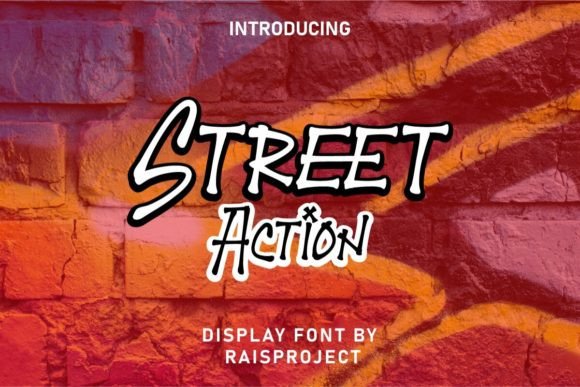
The Legend: A Graffiti Font for Bold, Street-Smart Design
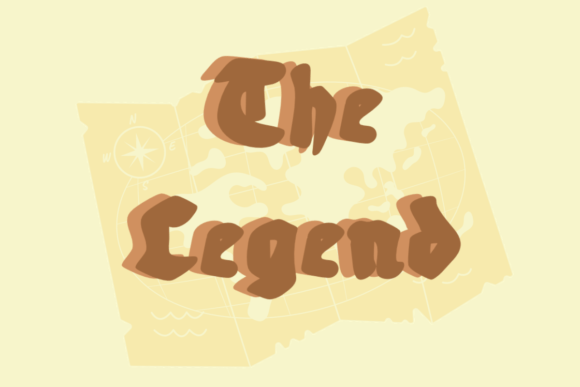
There's a moment in every design project when you need type that doesn't just sit there looking pretty—you need it to shout, swagger, and own the room. That's exactly where The Legend enters the picture. This graffiti-inspired display font carries the raw energy of street art while remaining versatile enough for commercial and creative work. Whether you're designing a logo for an urban lifestyle brand, laying out a flyer for a music event, or creating social media posts that demand a double-take, The Legend delivers a visual punch that's hard to ignore.
Why a Graffiti Font Still Works in Modern Design
Graffiti has never really gone away. It evolved from subway cars and alley walls into mainstream culture—fashion runways, album covers, sneaker packaging, energy drink branding. The visual language of street art communicates authenticity, rebellion, youth culture, and creative confidence. When you use a typeface like The Legend, you're tapping into that entire cultural conversation without needing a spray can.
What makes this particular font stand out is its balance. Yes, it has the bold strokes and expressive letterforms you'd expect from a graffiti font, but it doesn't sacrifice legibility for attitude. Each character is crafted with enough structure that words remain readable at various sizes—something not every display font in this category can claim. That practical quality is what separates a useful design asset from a novelty that collects digital dust in your font library.
Real Projects Where The Legend Earns Its Place
Let's get specific about where a font like this genuinely shines. Branding is an obvious starting point. If you're building an identity for a streetwear label, a skate shop, a hip-hop podcast, or a youth-oriented fitness brand, The Legend gives your wordmark instant character. It says something before anyone reads the actual words.
Packaging design is another strong use case. Think about craft beverage cans, snack brands targeting younger demographics, or specialty product boxes that need to pop on a crowded shelf. The bold weight and dynamic letterforms of a graffiti typeface create visual urgency—the kind that makes someone reach for a product without consciously knowing why.
Then there's the digital side. Social media graphics move fast. You have maybe two seconds to stop someone from scrolling. A typeface with the visual intensity of The Legend can be the difference between engagement and invisibility. Use it for Instagram story headers, YouTube thumbnail text, TikTok overlays, or bold quote graphics on Pinterest. The style carries built-in attitude that resonates with audiences who consume content quickly and visually.
Print materials benefit too. Event posters, festival flyers, concert announcements, club night promotions, streetwear lookbooks, skateboarding magazine layouts—these are environments where a graffiti display font feels native rather than forced. Book covers in the young adult or urban fiction genres? Absolutely. Board game titles and card designs with an edgy or competitive theme? Perfect fit.
Matching Typography to the Mood of Your Project
Every typeface carries emotional weight. Serif fonts whisper tradition and authority. Sans serif fonts speak with clean, modern clarity. Script fonts suggest elegance or personal touch. A graffiti-inspired font like The Legend communicates something entirely different—energy, urban culture, creative defiance, youthful confidence. Understanding this emotional vocabulary is the first step in choosing typography that actually serves your project instead of working against it.
Ask yourself what your audience expects to feel when they encounter your design. A children's birthday party invitation probably doesn't call for street art lettering. But a hip-hop dance competition flyer? A sneaker drop announcement? A gaming channel logo? The Legend fits those contexts naturally because the visual language matches the audience's world.
This alignment between font personality and project goal is where amateur designs often stumble. A technically beautiful layout can feel completely wrong if the typography sends a mixed message. Choosing a typeface that resonates with your audience's identity and expectations creates an immediate sense of belonging—people feel like the design was made for them.
Pairing The Legend with Other Typefaces
Display fonts with strong personalities rarely work well when used for everything. The Legend is built for headlines, titles, and short impactful text—not for body copy or lengthy paragraphs. That's not a limitation; it's simply how display typography functions. The key is pairing it with a complementary typeface that handles the supporting role.
A clean sans serif font works beautifully alongside graffiti lettering. Think of something geometric or neutral—fonts like Montserrat, Poppins, or even a straightforward grotesque sans serif. The contrast between the expressive headline and the calm body text creates visual hierarchy that guides the reader's eye exactly where you want it.
If your project leans more editorial or has a slightly refined edge, a simple serif font can also pair well. The combination of raw street energy with classic typographic structure creates an interesting tension that feels intentional and sophisticated. The trick is keeping the secondary font quiet enough that The Legend remains the star of the composition.
Always test your pairings in context. Mock up a real layout—a social media post, a business card, a product label—and see how the fonts interact at actual sizes. What looks great in a font preview window can sometimes feel cluttered or unbalanced when surrounded by other design elements. Print a test version if the project is going to physical output. Screens and paper render type differently, and details that disappear on screen might become problems in print.
Practical Tips for Getting the Most from This Style
Spacing matters enormously with expressive fonts. Because graffiti typefaces often have irregular proportions and dynamic angles, you may need to adjust letter spacing more than you would with a standard sans serif. Don't trust default kerning blindly. Read your headlines aloud—visually—and check that every letter combination feels comfortable. If something looks cramped or awkward, manually adjust it.
Color is your other powerful lever. The Legend looks striking in high-contrast combinations—white on black, bright neons against dark backgrounds, metallic tones on matte surfaces. But it also works in monochromatic schemes where texture and composition do the heavy lifting. Experiment with gradients, overlays, and textured backgrounds to enhance the street art aesthetic without overwhelming the text itself.
Size is worth considering carefully. This style of typeface tends to perform best at larger scales where the letterforms can breathe and their details are fully visible. At very small sizes, the characteristic flourishes and strokes that make graffiti fonts appealing can become muddy or illegible. Use it where it has room to make its statement—headlines, titles, hero text, featured names—and let a more restrained typeface handle everything else.
If you're working on a brand identity system, establish clear rules for when and how The Legend appears. Maybe it's exclusively for product names and campaign headlines. Maybe it shows up only on social media. Defining these boundaries prevents visual inconsistency across touchpoints and keeps the font's impact fresh rather than diluted through overuse.
Licensing and Long-Term Value
Before committing any font to a commercial project, verify the licensing terms. Most premium fonts come with clear guidelines about what's permitted—desktop use, web embedding, app integration, merchandise production. Understanding these terms upfront protects you legally and ensures you can use the typeface wherever your project needs it without unexpected restrictions.
A quality creative font is an investment that pays dividends across multiple projects. The Legend isn't a one-trick asset. Its versatility across board games, merchandise, digital content, print marketing, and brand identity work means you'll find new applications for it long after the first project wraps. That kind of reusable design asset saves time, maintains visual cohesion across your work, and builds a recognizable aesthetic language that audiences start to associate with your brand or creative style.
The best typography decisions aren't about chasing trends—they're about finding typefaces that genuinely communicate what your project needs to say. When a font matches your message, your audience, and your creative vision, the results speak for themselves.