Merchandise: The Retro Pop Art Typeface That Commands Attention
There's a certain energy that comes with bold, unapologetic design—the kind that stops you mid-scroll, makes you look twice, and sticks in your memory. That's the feeling the Merchandise typeface channels. This isn't just another display font sitting quietly in your library waiting for a niche project. It's a statement piece, a retro pop art display typeface built for creators who want their work to feel alive, punchy, and impossible to ignore. Whether you're designing a logo for a new brand, crafting social media posts that actually get engagement, or putting together packaging that jumps off the shelf, Merchandise brings a visual personality that's hard to replicate with anything else in your toolkit.
What Makes Merchandise Visually Stand Out
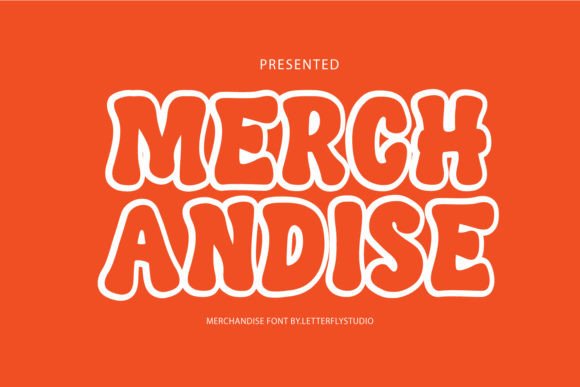
At its core, Merchandise draws from the visual language of mid-century pop art and retro advertising—think comic book lettering, vintage supermarket signage, and the bold typographic choices you'd see on old concert posters or cereal boxes. The letterforms have a confident weight to them, with strong geometric shapes, slightly rounded edges, and a rhythm that feels both nostalgic and fresh. It's the kind of font that walks the line between playful and authoritative, which is exactly why it works across so many different applications.
What really sets this premium font apart is its versatility within the display category. Some display fonts lock you into a single mood—either they're too cartoonish for professional use or too stiff to feel fun. Merchandise avoids that trap. It has enough character to bring personality to a kids' brand but enough polish to work for a craft brewery, a streetwear label, or a retro-themed event. The visual weight and spacing have been carefully considered, so it reads clearly at large sizes on posters, billboards, and packaging while still looking sharp in digital contexts like website headers and social media graphics.
Where This Typeface Really Shines
If you're a designer juggling multiple client types, or a small business owner trying to build a brand identity from scratch, you know that finding a font with range is half the battle. Here's where Merchandise proves its value in real-world projects:
Branding and Logo Design: A logo sets the tone for everything a brand communicates. Merchandise gives you a foundation that feels distinctive without being gimmicky. It works beautifully for brands that want to evoke nostalgia, creativity, or a bold, youthful edge. Think independent coffee shops, boutique clothing lines, music festivals, or artisan food brands. The letterforms are strong enough to anchor a logo mark, and the retro pop art style gives you an instant visual identity that doesn't need much embellishment.
Packaging Design: Great packaging tells a story before a customer ever reads a single word. Merchandise brings that shelf-stopping power. Imagine it on a hot sauce label, a craft soda bottle, or a box of handmade chocolates. The font's visual energy communicates flavor, fun, and quality all at once. Pair it with clean sans serif body text for nutritional information or product details, and you've got a packaging layout that balances excitement with clarity.
Social Media Graphics: Platforms like Instagram, TikTok, and Pinterest are visual battlegrounds. You have roughly one second to capture someone's attention. A bold display typeface like Merchandise does the heavy lifting here. Use it for quote graphics, sale announcements, product launches, or story headers. Its retro pop art aesthetic photographs well and holds up across different screen sizes, which matters when most of your audience is viewing on mobile devices.
Posters and Print Materials: This is where a display font earns its keep. Event posters, flyers, menus, business cards, and editorial layouts all benefit from a typeface that commands attention at scale. Merchandise has the visual presence to work as a headline font in print without looking washed out or losing its personality when reproduced on different paper stocks or printing methods.
Websites and Blogs: While you wouldn't set body copy in a display font, Merchandise is an excellent choice for website hero sections, blog post titles, call-to-action buttons, and section headers. It gives digital spaces a tactile, crafted quality that generic web fonts simply can't deliver. When paired with a readable sans serif font for paragraphs, it creates a visual hierarchy that guides visitors through your content naturally.
Digital Products and Marketing Assets: E-books, online course materials, email headers, lead magnets, and ad creatives all benefit from typography that looks intentional and professional. Merchandise helps you create marketing assets that feel cohesive and branded, which builds trust with your audience over time.
Pairing Merchandise with Other Fonts
One of the most practical skills in design is knowing how to pair fonts. A display typeface like Merchandise works best when it's supported by a complementary font that handles the heavy lifting of body text. Here are a few pairing strategies that work well:
- Merchandise + Clean Sans Serif: This is the safest and most versatile combination. Use Merchandise for headlines and a neutral sans serif like Montserrat, Open Sans, or Lato for body copy. The contrast between the bold retro display font and the clean modern sans serif creates a balanced, professional look.
- Merchandise + Simple Serif: If your brand leans editorial or sophisticated, pairing Merchandise with a classic serif like Georgia, Playfair Display, or Lora adds a layer of refinement. This works well for lifestyle blogs, magazine layouts, or boutique brand identities.
- Merchandise + Handwritten or Script Font: For projects that need an extra dose of personality—like wedding invitations, greeting cards, or artisan product labels—adding a subtle script font alongside Merchandise can create visual interest. Just be careful not to overdo it. Too many expressive fonts competing for attention creates visual noise rather than harmony.
The key principle with font pairing is contrast and hierarchy. Merchandise should be the star of the show in headlines and display contexts. Everything else in your typographic system should support it without competing.
Readability and Practical Considerations
As with any display typeface, context matters. Merchandise is designed to perform at larger sizes—think headlines, titles, logos, and signage. It's not intended for long paragraphs of body text, and using it that way would compromise readability. That's not a limitation; it's how display fonts are meant to work. Every well-structured typographic system needs a display font for impact and a body font for legibility.
Before committing Merchandise to a project, test it in the actual environment where it will live. View it on a real phone screen if you're designing social media graphics. Print a proof if you're working on packaging or posters. Check how the letterforms look at different sizes and against different background colors. A font that looks stunning in a design application might need spacing or size adjustments in production.
Also take time to explore the full range of styles included with the typeface. Many premium fonts come with alternates, ligatures, or stylistic variations that give you more creative flexibility. Merchandise may include different weight options or decorative characters that open up new design possibilities you wouldn't discover by using the default settings alone.
Licensing and Commercial Use
If you're planning to use Merchandise for client work, commercial products, or business branding, make sure you understand the licensing terms. Most premium fonts come with specific licenses that outline how the font can be used—whether that's for personal projects, commercial use, web embedding, or app integration. Some licenses are per-user, others are per-project, and some offer broader commercial rights. Read the license agreement carefully before purchasing, especially if you're a freelancer working across multiple clients or a business owner embedding the font into digital products for sale.
Investing in a properly licensed commercial font protects you legally and supports the type designers who create these tools. It's a small cost relative to the value a distinctive typeface brings to your brand or your clients' projects.
Building a Cohesive Visual Identity
Typography is one of the most powerful tools for creating brand recognition. When you consistently use the same typeface across your logo, website, social media, packaging, and print materials, you build a visual system that people start to associate with your brand before they even read the words. Merchandise, with its distinctive retro pop art character, gives you a strong anchor for that kind of consistent visual identity.
The trick is to use it intentionally. Don't scatter it randomly across every surface. Define where it appears—headlines, logos, key callouts—and where it doesn't—body text, legal copy, data-heavy layouts. That discipline creates a typographic hierarchy that feels deliberate and professional, which ultimately builds trust with your audience.
Whether you're a designer building out a brand system, a small business owner creating your first set of marketing materials, or a content creator looking for a font that makes your graphics pop, Merchandise offers a visual language that's bold, memorable, and genuinely useful across a wide range of creative and commercial projects.