Nightingale: The Display Font for Bold, Modern Branding
There’s a moment in every design project where you realize the typography isn’t just filling space—it’s setting the entire mood. You’ve nailed the color palette, the imagery is on point, but the words themselves feel flat, generic, or disconnected from the brand’s soul. That’s where a typeface with genuine character, like the Nightingale font, steps in to transform a good design into an unforgettable one. It’s not just another pretty face in your font library; it’s a strategic asset for anyone serious about visual communication.
A Typeface with a Distinctive Voice
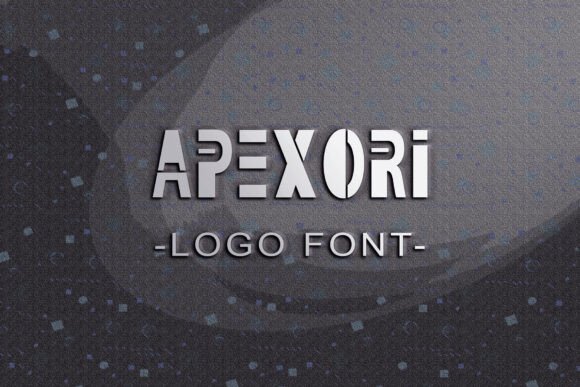
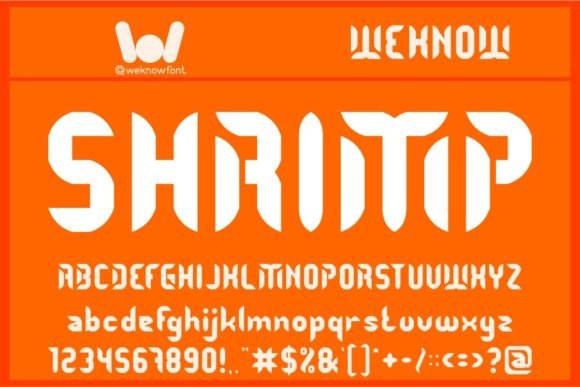
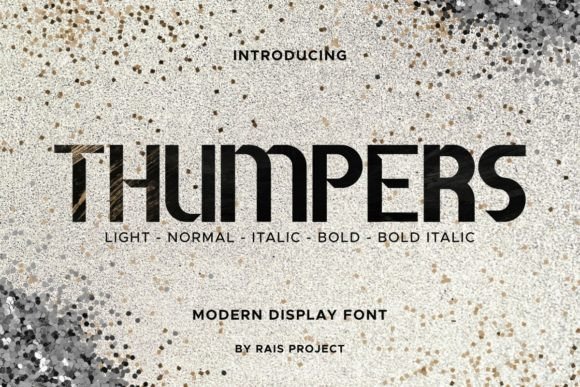
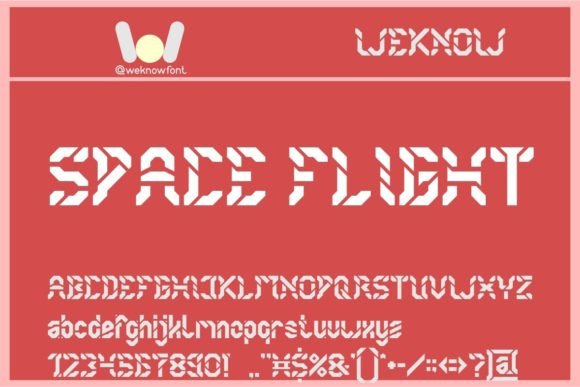
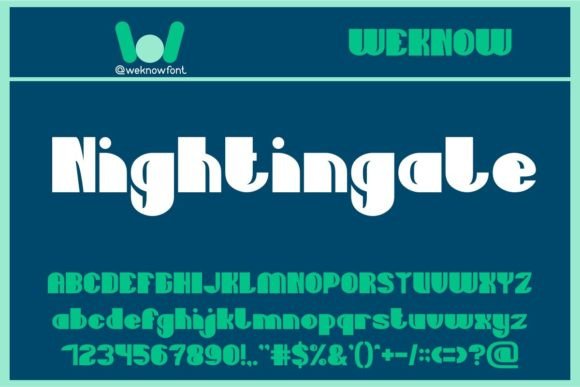
At first glance, Nightingale presents itself as a fancy and cool display font, but that description barely scratches the surface. Its true appeal lies in its confident, slightly condensed letterforms that command attention without screaming. The subtle details—a sharp, elegant terminal here, a balanced stroke contrast there—give it a sophisticated edge that feels both contemporary and timeless. It strikes a rare balance: it has enough personality to be a showstopper for a headline or logo, yet retains a clarity that keeps it from veering into illegibility. This isn’t a font that whispers; it makes a statement with controlled confidence.
This visual character makes it incredibly versatile. Imagine it on the masthead of a luxury lifestyle magazine, instantly conveying prestige. Picture it on the label of a craft beverage, suggesting artisanal quality and modern flair. See it as the primary typeface for a tech startup’s brand identity, communicating innovation and precision. The font’s ability to adapt its voice to different contexts—from high-end corporate to edgy entertainment—is its superpower.
From Logo Lockups to Social Media Scrolls
Let’s get practical. How does a premium font like Nightingale actually work in your daily creative grind? For logo design, it provides a solid foundation. A well-crafted logotype using this font can become the cornerstone of a brand’s entire visual system. Its distinctive shapes are memorable, which is the first step toward brand recognition. You can use it alone for a clean, typographic mark or pair it with a simple icon for a more complex identity.
Beyond the logo, its applications are nearly endless. Consider these real-world uses:
- Editorial & Packaging Design: Use it for chapter titles in a book, the header on a product box, or the key message on a poster. Its presence ensures the most important text is seen and felt first.
- Digital Presence: Deploy it on your website’s hero section or as the headline font for blog posts. For social media graphics, it can make quotes, announcements, and YouTube thumbnails pop in a crowded feed, driving higher engagement.
- Marketing & Merchandise: It’s perfect for impactful email subject lines, event invitations, and the bold text on merchandise like t-shirts or tote bags. The font’s cool factor translates directly into the perceived value of the product.
The key is using it where it can shine—typically at larger sizes where its detailed design is fully appreciated. It’s a display font, after all, built for impact at a glance.
Building a Cohesive Visual Language
Using a single, versatile typeface across multiple touchpoints is a professional’s shortcut to visual consistency. When your website headers, social media posts, and printed materials all use Nightingale, you create a unified thread that strengthens brand identity subconsciously. The audience starts to recognize your “voice” visually, just as they would a familiar color scheme or logo. This consistency builds trust and makes your brand look meticulously considered, whether you’re a one-person studio or a growing company.
But no font is an island. The real magic often happens in the pairing. Nightingale, with its strong display personality, works beautifully alongside a clean, neutral sans-serif or a classic serif for body text. Imagine its bold headlines paired with the readability of a font like Open Sans or Lora for paragraphs. This contrast creates a clear visual hierarchy, guiding the reader’s eye naturally from the attention-grabbing title to the supporting content. Always test your pairings in context—see how they look together on a mockup website, a sample business card, or a draft social media post.
Making Smart Typography Choices
Choosing the right font style is about matching personality to purpose. Ask yourself: does the project call for elegance, urgency, playfulness, or authority? Nightingale leans toward modern sophistication with a touch of cool confidence. It’s ideal for projects in the apparel industry, music, gaming, or any brand wanting to appear current and assured. However, for a legal firm’s body copy or a children’s book’s main text, you’d want something with a softer, more traditional tone for extended reading.
Always consider the included font styles. A full family might offer Regular, Bold, Italic, and possibly Condensed or Extended variants. These give you flexibility to create emphasis and structure within your designs without introducing another typeface. Before finalizing, review the full character set for special characters, ligatures, and multilingual support if your project requires them.
Finally, don’t overlook licensing. If you’re using this for a client project, a commercial brand, or merchandise you intend to sell, ensure you have the correct commercial license. This protects you legally and supports the type designers who create these tools. It’s a small but crucial step in professional practice.
In the end, typography is one of the most powerful tools in your design arsenal. A thoughtfully chosen display font does more than label things; it infuses your work with emotion, direction, and identity. It helps your message not only be read, but remembered. When you find a typeface that aligns with your creative vision, it becomes less of a choice and more of a voice for your ideas.