Sketch Book: A Display Font with a Handcrafted Edge
There's a moment in every design project when the typeface you choose either connects or falls flat. You've spent hours refining a logo concept, tweaking the layout for a social media campaign, or finalizing the packaging for a new product line—and now the text needs to feel right. Not just legible, but alive. That's where a font like Sketch Book steps in, offering a hand-drawn display quality that brings warmth and personality to projects that might otherwise feel sterile or forgettable.
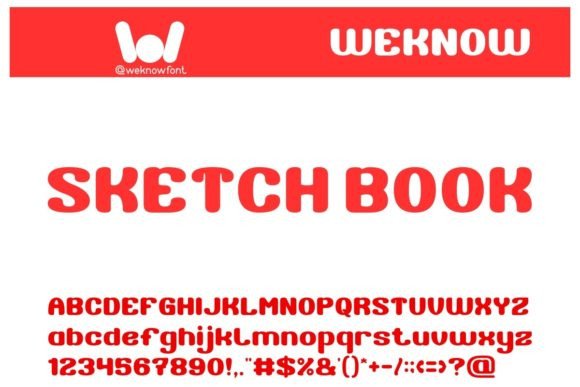
Sketch Book is a fancy display font designed for bold, attention-grabbing applications. Think logo design, logotypes, headlines, and brand identity systems where the goal is to make an immediate visual impression. It carries the energy of hand-lettering without sacrificing the consistency and scalability that professional design work demands. Whether you're building a brand from scratch, designing a movie poster, creating magazine covers, or developing a visual identity for a YouTube channel, this typeface gives you a creative foundation that feels both expressive and intentional.
Where Hand-Drawn Character Meets Professional Polish
What makes Sketch Book visually appealing is its balance. Many display fonts lean too far into either raw, sketchy aesthetics or overly polished curves. This one sits in a sweet spot—each letterform has the organic irregularity you'd expect from something drawn by hand, but the overall rhythm and spacing feel deliberate. The strokes vary in weight naturally, giving text a dynamic, lived-in quality that mimics real pen or brush work.
This matters more than you might think. When consumers encounter a brand that uses a hand-drawn display font, they often perceive it as more approachable, creative, and authentic. A coffee roaster using Sketch Book on its packaging communicates craft and care. A music festival using it on posters suggests energy and artistic spirit. A children's book author using it for a title page signals imagination and playfulness. The font does heavy lifting in terms of emotional signaling, which is exactly what good typography should do.
Practical Applications Across Industries
One of the strengths of a versatile display font like this is the sheer range of projects it can serve. Here's where designers and creative professionals commonly put it to work:
- Logo and logotype design: Sketch Book's distinctive letterforms make it a strong candidate for brands that want to stand out in crowded markets. It works particularly well for businesses in food and beverage, lifestyle, entertainment, and creative services.
- Apparel and merchandise: T-shirt graphics, hat embroidery mockups, tote bag designs—the font's handcrafted feel translates naturally to physical products where a personal touch matters.
- Poster and editorial design: Movie posters, music album covers, magazine headlines, and book titles all benefit from a typeface that commands attention at large sizes.
- Social media graphics: Instagram posts, YouTube thumbnails, and Pinterest pins need typography that pops even at small dimensions. A bold display font helps cut through the noise of busy feeds.
- Website headers and blogs: Used sparingly for hero text or section headings, it can add personality to an otherwise minimal web layout without hurting readability.
- Invitations and event materials: Wedding invitations, party flyers, and event branding gain character from a font that feels handmade and intentional.
- Digital products and marketing assets: E-book covers, course branding, email headers, and lead magnets all benefit from typography that elevates the perceived value of the content.
The key across all these applications is using Sketch Book where it shines most—as a headline or accent font rather than for long-form body copy. Display fonts are designed for impact, not extended reading, and respecting that distinction is what separates thoughtful design from a font choice that looks cool but undermines usability.
Pairing Sketch Book with Other Typefaces
No font exists in isolation. The real magic happens when you pair a creative display font like Sketch Book with complementary typefaces that handle supporting roles. A clean sans serif font works beautifully as a body text companion—the simplicity of something like a modern grotesque or geometric sans serif provides visual breathing room that lets the display font's personality stand out without competing.
For projects with a more classic or editorial feel, pairing it with a serif font can create an interesting contrast between the organic, hand-drawn headline and a structured, readable text block. The tension between those two styles often produces layouts that feel both sophisticated and approachable.
A few practical pairing tips worth keeping in mind:
- Contrast is your friend. If Sketch Book is loose and expressive, pair it with something structured and neutral. Two expressive fonts together usually create visual chaos.
- Test at actual sizes. A pairing that looks great at 72pt on your monitor might feel completely different at 14pt on a mobile screen. Always check how combinations perform in their intended context.
- Limit your palette. Two or three typefaces maximum is a solid rule for most projects. More than that and your design starts to feel fragmented.
- Consider weight and spacing. Make sure your body font has enough weight contrast to stand apart from the display font without looking disconnected.
Strengthening Brand Identity Through Typography
Typography is one of the most underrated tools in brand building. A business that uses the same typeface consistently across its logo, website, packaging, social media, and print materials creates a visual shorthand that audiences begin to recognize over time. That recognition compounds—think about how quickly you identify brands like certain craft breweries, indie record labels, or boutique retailers just by the style of their lettering.
Sketch Book works well as a cornerstone of a brand identity system for companies that want to project creativity, authenticity, and a human touch. It's especially effective for brands targeting audiences who value craftsmanship, individuality, and artistic expression. A small-batch candle maker, an independent bookstore, a streetwear label, or a podcast about creative entrepreneurship—all of these could build a cohesive visual identity around a handcrafted display typeface.
The trick is consistency. Once you select a font for your brand, commit to it. Use it across every touchpoint. Build style guidelines around it. Train your team—or yourself—to apply it the same way every time. That repetition is what transforms a font choice into a recognizable brand asset.
Licensing and Practical Considerations
Before downloading any premium font, it's worth understanding the licensing terms. Most commercial fonts come with specific usage rights that determine whether you can use them for client work, merchandise, digital products, or broadcast. Sketch Book, like many professional design assets, typically includes a license that covers a range of commercial applications, but it's always smart to review the details before committing to a project—especially if you're designing for a client or planning to sell products featuring the font.
Also take a moment to explore what's included in the font package. Many display fonts come with multiple styles, alternate characters, ligatures, or stylistic sets that give you additional creative flexibility. Understanding what's available before you start designing saves time and often unlocks possibilities you wouldn't have discovered otherwise.
At the end of the day, choosing a typeface is about finding the right voice for your project. Sketch Book offers a voice that's expressive, approachable, and unmistakably human—qualities that resonate across industries and audiences. Whether you're a seasoned designer refining a brand system or a small business owner creating your first set of marketing materials, having a reliable display font in your toolkit makes the creative process smoother and the results more compelling.