System Information: A Display Font for Bold, Sci-Fi Visuals
Imagine a typeface that doesn't just spell out words, but projects an entire atmosphere. It feels clean, precise, and slightly futuristic, like the interface of a starship or the readout on advanced technology. This is the world of System Information, a techno-sci-fi display font engineered for projects that demand a sharp, modern, and authoritative presence. It’s the kind of typeface that makes a logo feel instantly recognizable and a headline impossible to ignore, blending technical precision with a cool, contemporary edge.
More Than Just Letters: Capturing a Specific Vibe
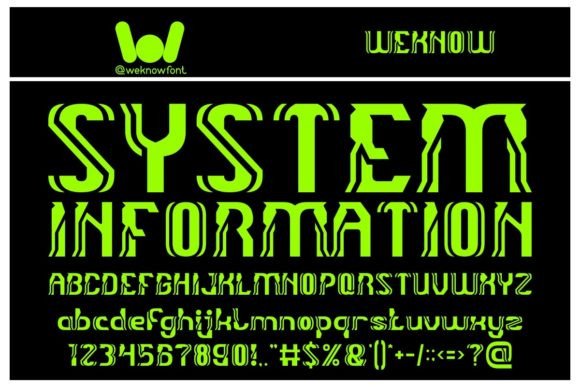
At its core, System Information is a premium display font, meaning it’s designed for impact at larger sizes, like in titles, logos, and headers, rather than for long blocks of body copy. Its visual personality is unmistakable. The letterforms often feature geometric shapes, clean lines, and a structured, almost engineered quality. You might notice subtle details like squared-off curves, uniform stroke widths, or unique cuts that give it a digital, slightly futuristic feel without being overly gimmicky. This isn’t a generic sans serif; it’s a typeface with a distinct point of view, perfect for when you need your design to communicate innovation, clarity, and a forward-thinking mindset.
The real value of a creative font like this lies in its ability to do heavy lifting for your brand identity. A small business owner launching a tech startup, a content creator building a YouTube channel about gadgets, or a designer crafting a poster for a sci-fi movie all face the same challenge: how to visually signal their niche in a fraction of a second. System Information provides that instant visual shorthand. Its style inherently suggests themes of technology, information, data, and modernity, helping to align your visual communication with your core message before a single word of copy is read.
Practical Applications: Where This Font Truly Shines
Understanding where a typeface excels is key to using it effectively. System Information is a versatile design asset, but its strengths are most pronounced in specific contexts where its unique character can be fully appreciated.
- Logo & Brand Identity: This is where System Information can become the cornerstone of your visual identity. Its clean, tech-inspired aesthetic is ideal for logos in the software, gaming, fintech, or electronics industries. It helps create a mark that feels both professional and innovative, fostering strong brand recognition.
- Editorial & Publication Design: Think magazine covers, book titles, and chapter headings. For a tech journal, a sci-fi novel, or a graphic novel, using this font for headlines instantly sets the genre and tone, creating a cohesive and immersive reading experience.
- Packaging & Merchandise: On product packaging for electronics, specialty coffee with a modern brand, or limited-edition apparel, this typeface adds a layer of sophistication and edge. It works beautifully on labels, tags, and boxes, making the product feel cutting-edge.
- Digital Platforms & Social Media: In the crowded space of social media, a distinctive font for your Instagram graphics, YouTube thumbnails, or website headers can be a game-changer. System Information grabs attention in a feed and helps establish a consistent, professional look across all your digital marketing assets.
- Events & Invitations: For a launch party, a tech conference, or even a modern wedding with a minimalist theme, this font can elevate invitations and event signage, giving them a polished, contemporary feel that stands out from traditional scripts and serifs.
Smart Pairing and Readability: Making It Work in Practice
Using a bold display font effectively is about balance. System Information is your star player for headlines, but it needs a reliable teammate for body text. The most common and effective strategy is to pair it with a highly readable sans serif or a neutral serif font. For example, pairing the sharp geometry of System Information with a clean, open sans serif like Open Sans or Lato for paragraphs creates a harmonious contrast. The display font draws the eye, while the body font provides comfortable reading. This principle of font pairing is essential for maintaining both visual interest and readability across a website, brochure, or presentation.
Always consider the context of your project. Is it for a large poster viewed from a distance, or a mobile app interface? Test the font at the actual size it will be used. Check the spacing between letters (kerning) and lines (leading) to ensure clarity. Review the full character set of the font family you purchase—does it include the numerals, punctuation, and language support you need? Thinking through these practical details separates a good design from a great one.
Finally, a note on licensing. Since System Information is positioned for commercial use, it’s crucial to understand the license you acquire. Whether it’s for a single logo, a series of merchandise, or unlimited digital projects, ensure the commercial font license covers your intended use. This protects your investment and allows you to use the typeface confidently across all your branding and creative projects, solidifying that consistent, professional presentation that builds audience trust and engagement.