Be Happy: The Font That Brings Personality and Joy to Your Projects
Every design project has a mood, a feeling, a story it needs to tell before a single word is read. You might be crafting a logo for a new boutique, designing a social media campaign for a lifestyle brand, or laying out the cover for a children's book. The visual language you choose sets the entire tone. This is where typography moves beyond mere letters on a page and becomes a powerful tool for communication. Finding a typeface that doesn't just convey words but embodies an emotion can transform a good design into a memorable one. That’s the core appeal of a creative font like Be Happy, a display typeface designed to inject a sense of optimism, energy, and approachable style into your work.
Understanding the Visual Language of This Display Font
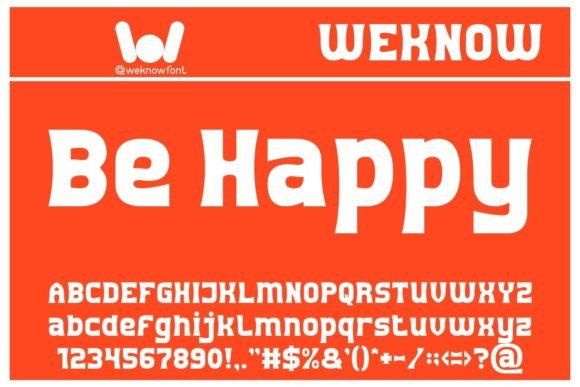
Be Happy is a fancy display font, a category of typefaces specifically crafted for impact at larger sizes. Think headlines, logos, and titles where you have the space to let the letterforms shine. What sets this particular typeface apart is its inherent personality. It carries a modern, friendly, and slightly playful character without sacrificing clarity or professionalism. The strokes have a confident, fluid quality, suggesting movement and positivity. This isn't a stark, corporate sans serif, nor is it an overly whimsical script; it occupies a unique space that feels both current and versatile.
The visual appeal lies in its balanced design. It manages to feel bold and eye-catching while remaining highly legible. The letterforms are crafted with enough detail to be interesting up close, yet they hold their shape and readability from a distance—a crucial quality for everything from a poster across a room to a logo on a mobile screen. For designers and creators, this means you get a font with strong built-in character, reducing the need for excessive decorative elements to make a statement. The typography itself does the heavy lifting, conveying a specific brand voice before any other design element is added.
From Brand Identity to Social Media: Practical Applications
The true test of any design asset is its real-world utility. A font with a strong personality like Be Happy finds its home across a surprising range of projects, helping to build cohesive and engaging visual identities.
Building a Recognizable Brand Identity
For entrepreneurs and small business owners, consistency is key to brand recognition. Using Be Happy as your primary logotype or headline font establishes an immediate visual signature. Imagine a coffee shop, a yoga studio, or a creative agency using this typeface. Its friendly demeanor makes the brand feel accessible and welcoming, while its clear structure ensures it looks professional on business cards, signage, and the company website. It helps bridge the gap between being approachable and being taken seriously.
Engaging Audiences on Social Media and Websites
In the fast-scrolling environment of Instagram, YouTube, or TikTok, you have milliseconds to capture attention. A creative font like this can make your graphics stand out in a crowded feed. It’s perfect for quote graphics, promotional banners, and video thumbnails. On a website, it works brilliantly for key headings and calls-to-action, guiding the visitor's eye and reinforcing the site's overall mood. When used consistently across your digital platforms, it strengthens your brand's visual memory, making your content instantly recognizable even without a logo.
Product Packaging and Physical Marketing
The applications extend far beyond the digital realm. For packaging design, especially for products targeting a younger, lifestyle-oriented demographic, Be Happy can add that perfect touch of charm and modernity. Think of labels for artisanal foods, cosmetics, or children's toys. On printed materials like event posters, flyers, or invitations, it sets a joyful and inviting tone. It’s equally effective on merchandise—t-shirts, tote bags, and mugs—where the typography itself becomes a central design feature that people want to wear or use.
Making It Work: Practical Tips for Using a Display Typeface
Choosing a powerful display font is only the first step. Using it effectively is what separates a polished design from an amateur one. Here’s how to get the most out of a typeface like Be Happy.
Pairing for Contrast and Hierarchy: A display font is your star player, but it needs a supporting cast. For body text, paragraphs, or detailed information, pair it with a clean, highly readable serif font or a simple sans serif font. This creates a clear visual hierarchy: Be Happy draws the eye to the headline, and the paired font delivers the detailed message without competition. A good rule of thumb is to look for contrast in style (e.g., a modern display font with a classic serif) but harmony in proportions.
Prioritizing Readability in Context: Always consider where your design will be viewed. While Be Happy is legible for a display font, it’s not intended for long-form book text. Use it for short, impactful statements. On a website, test it for mobile responsiveness. On a poster, step back and see if the headline is clear from a typical viewing distance. The goal is to use its personality without compromising the message's clarity.
Exploring the Full Character Set: A professional premium font often includes more than just basic letters and numbers. Check if Be Happy includes alternate characters, stylistic sets, or multilingual support. These extras can give you more creative flexibility, allowing you to customize the look of your logo or headline with unique letterforms that aren't available in a standard typeface.
Licensing for Commercial Use: This is a non-negotiable step for any professional project. If you're using the font for a client's brand, for merchandise you plan to sell, or for marketing assets for your business, you must ensure you have the correct commercial license. Purchasing a font from a reputable foundry or marketplace typically provides this, but always read the license agreement. It protects both you and the font designer, and it’s a fundamental part of professional practice.
Finding the Right Fit for Your Creative Vision
Ultimately, the best font is the one that aligns with your project's goals and resonates with your intended audience. Be Happy isn't a universal solution for every design challenge—no single font is. It’s a specialist tool for when you need to convey positivity, modernity, and approachable energy. It’s for the brand that wants to smile, the poster that needs to attract, and the social media post that aims to engage.
Before committing, consider creating a mood board for your project. Does the feeling you’re aiming for match the font's personality? Test it with your actual content. Does it make your brand name look the way you want it to feel? The process of selecting a typeface is a blend of practical consideration and intuitive connection. By focusing on real-world application, readability, and professional best practices like proper pairing and licensing, you can make an informed choice. When a font like Be Happy clicks with your creative vision, it does more than spell out words—it helps tell your story with a genuine sense of joy and confidence.