Walvis: The Chubby Display Font That Brings Playful Energy to Your Designs
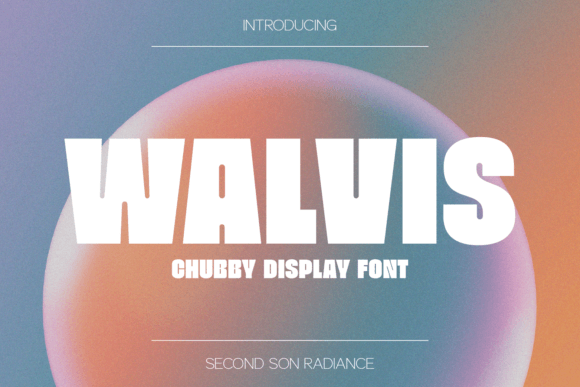
There's something magnetic about a font that doesn't just sit on the page but practically bounces off it. Walvis is that kind of typeface—a chubby, round-edged display font that radiates warmth, friendliness, and a touch of whimsy. Whether you're building a brand from scratch or refreshing an existing visual identity, this font has a personality that's hard to ignore and even harder to forget.
What sets Walvis apart from the hundreds of display fonts available today? It comes down to a careful balance. The letterforms are bold and substantial without feeling heavy or aggressive. The rounded terminals and generous proportions give every character a soft, approachable quality. This isn't a font that demands attention through sharp angles or dramatic contrast—it wins you over with charm. And in a design landscape saturated with minimalist sans serifs and overly ornate scripts, that kind of genuine personality goes a long way.
A Typeface Built for Real-World Creative Projects
Fonts exist to serve a purpose. They communicate tone before a single word is read. Walvis excels in situations where you want to convey approachability, creativity, and confidence without sacrificing legibility. Think about the brands and products that stick with you—the ones with packaging you actually pick up off the shelf, the social media posts that make you pause mid-scroll, the logos that feel instantly familiar even the first time you see them. Typography plays a massive role in all of that.
For small business owners and entrepreneurs, choosing a font like Walvis for your brand identity can signal to your audience that you're modern, creative, and approachable. It works beautifully for businesses in food and beverage, children's products, lifestyle brands, wellness companies, creative agencies, and boutique retail. If your brand voice leans friendly rather than corporate, playful rather than austere, this typeface aligns naturally with that positioning.
Logo design is one of the most impactful applications. A logo set in Walvis immediately communicates warmth and character. Because the font has such a distinct personality on its own, you can often keep logo treatments simple—letting the letterforms do the heavy lifting rather than relying on complex graphic elements. This simplicity actually strengthens brand recognition over time, because people remember shapes and silhouettes, and Walvis has a very recognizable one.
Packaging, Posters, and Print Materials That Pop
If you work in packaging design, you already know that shelf presence matters enormously. Consumers make split-second decisions based on visual cues, and typography is one of the first things their eyes register. Walvis brings a tactile, almost three-dimensional quality to packaging layouts. It looks fantastic on product labels, box designs, shopping bags, and branded tissue paper. The chunky letterforms hold up well at various sizes, which is critical when your design needs to work on a tiny label and a large display banner.
Poster design is another natural fit. Whether you're creating event posters, sale announcements, or art prints, Walvis commands attention without overwhelming the rest of your layout. Pair it with a clean sans serif for body text, and you've got a hierarchy that's both visually dynamic and easy to follow. The same principle applies to editorial layouts—use Walvis for headlines and pull quotes to inject energy into magazine spreads, blog graphics, or digital publications.
Invitations and stationery benefit from this font's personality as well. Birthday party invitations, baby shower announcements, wedding save-the-dates with a casual vibe, and holiday cards all feel more personal and intentional when set in a typeface that has genuine warmth.
Digital Spaces Where Walvis Truly Shines
Social media is arguably where display fonts get tested most aggressively. You have roughly two seconds to stop someone from scrolling, and your typography needs to work at thumbnail size on a phone screen. Walvis handles this challenge well because its bold, rounded forms remain legible even when scaled down. Instagram graphics, Pinterest pins, Facebook ad creatives, YouTube thumbnails, and TikTok overlays all benefit from a font that reads clearly and looks distinctive.
For bloggers and content creators, using Walvis for section headers, featured image text, and branded graphics creates visual consistency across your platform. When your audience starts recognizing your typographic style before they even see your name, you've achieved something powerful. That's the beginning of genuine brand recognition—the kind that builds trust and loyalty over time.
Web design applications are worth considering too. While Walvis is primarily a display font and probably shouldn't be used for long paragraphs of body copy, it works wonderfully for hero sections, call-to-action buttons, navigation accents, and landing page headlines. The key is using it strategically—placing it where it can make the strongest visual impact without sacrificing the readability of your longer content.
Pairing Walvis with Other Fonts for Maximum Impact
One of the most practical skills in design is knowing how to combine typefaces effectively. Walvis pairs exceptionally well with clean, geometric sans serif fonts for body text. The contrast between its playful, rounded forms and the straightforward simplicity of a font like Montserrat or Open Sans creates a balanced, professional-looking hierarchy. You could also pair it with a light, airy script font for accent text if your project calls for an extra layer of personality.
A good rule of thumb: when your headline font is bold and characterful, keep your supporting typeface relatively neutral. This prevents visual competition and ensures your message comes through clearly. Walvis wants to be the star of the show, so let it have that role while your secondary font handles the supporting work.
Before committing to any font for a major project, test it thoroughly. Set your actual copy in the typeface—not just the alphabet, but real words and sentences you plan to use. Check how numbers and special characters look. Print it out if your project involves physical materials. View it on different screens if it's going digital. These small steps save enormous headaches down the road and ensure your final product looks exactly the way you envisioned.
Licensing, File Formats, and the Practical Details
When investing in a premium font, understanding the licensing terms matters. Most commercial fonts come with specific usage rights that dictate how you can deploy the typeface across different media. Make sure the license covers your intended applications—whether that's digital products, printed merchandise, client work, or all of the above. If you're a designer creating work for multiple clients, verify whether you need an extended license.
Review the included font styles and weights before purchasing. Some display fonts come in a single weight, while others offer multiple variations that give you more flexibility in your designs. Having access to different weights means you can create more nuanced typographic hierarchies without introducing a second typeface.
Walvis represents exactly the kind of design asset worth adding to your toolkit—a thoughtfully crafted typeface with genuine personality, broad practical application, and the visual distinctiveness that helps creative work stand out. Whether you're designing a logo for a new startup, creating social media content for an established brand, or putting together packaging for a product launch, having a reliable, characterful display font at your disposal makes the entire creative process smoother and the results more compelling.