Other Future: The Typeface for Tomorrow's Digital Landscape
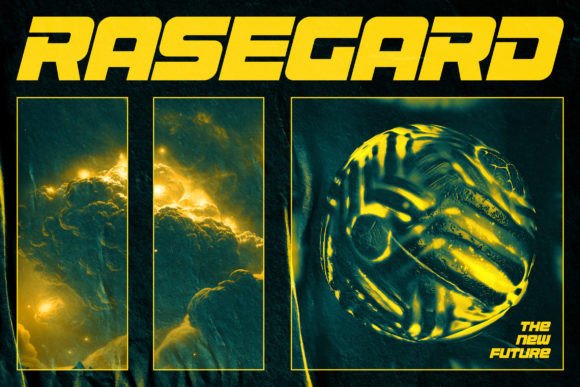
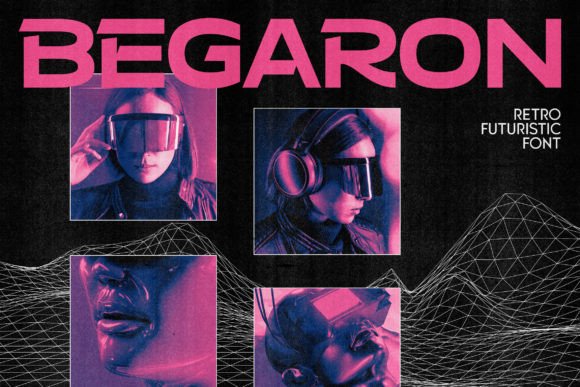
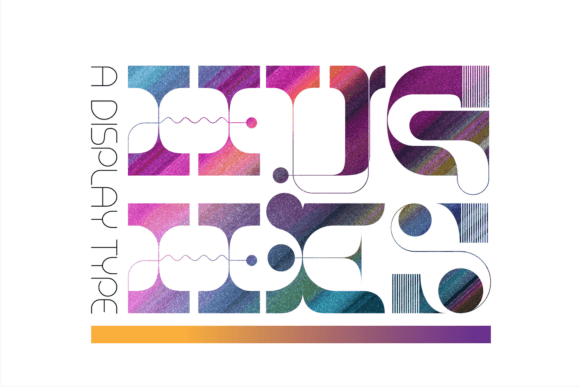
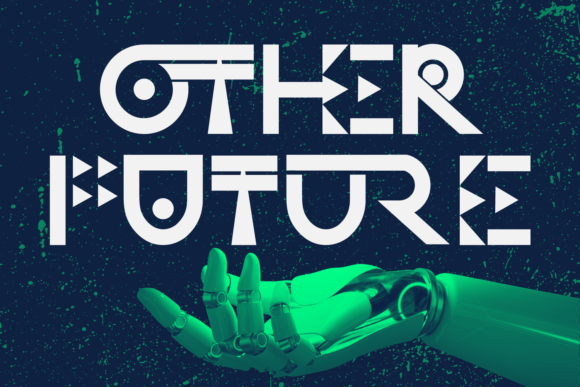
There's a particular feeling you get when you see a design that feels truly forward-thinking—like it's been pulled from a timeline where sleek interfaces and holographic displays are the norm. That's the immediate impression of Other Future, a modern display font that channels the aesthetic of cyberspace and space-age technology. Its geometric shapes and clean, striking lines don't just spell out words; they evoke a sense of innovation and digital possibility. If your project lives in the realms of sci-fi, tech, gaming, or any forward-looking brand, this typeface might be the visual shorthand you've been searching for.
A Visual Language for the Digital Age
What sets Other Future apart isn't just its futuristic look—it's the intentionality behind its design. Every angle, curve, and terminal is crafted to suggest movement and technology without sacrificing legibility. Think of the titles in a cyberpunk video game, the logo for a new AI startup, or the headline on a magazine about emerging tech. This font carries that same energy. It’s a premium font that works exceptionally well as a display typeface, meaning it’s built for impact at larger sizes, like on posters, movie titles, or YouTube thumbnails. While it’s not a body text workhorse like a classic serif font or a neutral sans serif font, its strength lies in grabbing attention and setting a specific, advanced tone.
Where Other Future Truly Shines: Practical Applications
The true test of any creative font is how it performs in the wild. Other Future’s geometric, tech-inspired forms make it incredibly versatile for specific, high-impact uses. Consider these real-world scenarios:
- Branding & Logo Design: For a tech company, a gaming studio, or a podcast about the future, a logo set in Other Future immediately communicates innovation. Its distinct letterforms help build strong brand recognition from the first glance.
- Packaging & Products: Imagine the sleek box for a new pair of wireless earbuds, the label on an energy drink targeting gamers, or the sleeve for a limited-edition vinyl record. This font adds a layer of perceived value and modernity to physical products.
- Digital Presence & Social Media: In the fast-scrolling world of Instagram, a YouTube thumbnail, or a website hero section, you have seconds to make an impression. Using Other Future for titles and key phrases can dramatically increase click-through rates by making your content look polished and topical. It’s a standout choice for social media graphics that need to cut through the noise.
- Editorial & Print Design: Brochures for a tech conference, magazine covers, or event posters for a hackathon benefit from its authoritative yet imaginative style. It helps structure information hierarchically, guiding the reader’s eye to the most important messages first.
- Motion Graphics & Video: The clean lines and defined shapes of Other Future translate beautifully to animation. It’s perfect for lower thirds, title sequences, or kinetic typography in explainer videos or game trailers.
Integrating a Futuristic Font into Your Workflow
Adopting a distinctive typeface like this requires a bit of strategy to ensure it enhances rather than overwhelms your design. Here’s some practical advice for using it effectively.
Pairing for Balance: Because Other Future is a strong display font, it pairs best with more neutral, readable companions. Use it for headlines and pair it with a clean sans serif font like Inter, Roboto, or a simple serif for body text. This contrast creates visual interest and ensures your overall design remains approachable. Avoid pairing it with other highly stylized script fonts or handwritten fonts, as this can create visual chaos.
Readability in Context: Always test your design in its intended environment. A font that looks perfect on a desktop screen might become illegible as a small YouTube title on a mobile phone. Check kerning (the space between letters) at your final size, and ensure there is sufficient contrast with the background. For dark-mode interfaces or neon-on-black designs—common in sci-fi themes—Other Future’s sharp geometry usually holds up well, but always verify.
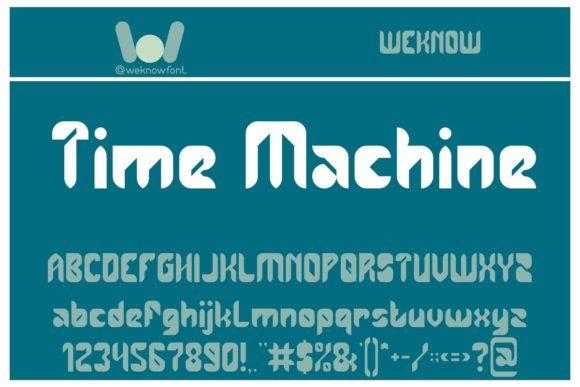
Exploring the Included Styles: A quality modern typography package like this often includes more than one weight or style. Look for variations such as bold, light, or italic versions. Using a bolder weight for a main logo and a lighter weight for subheadings within the same project can create a cohesive and professional brand identity system without needing additional fonts.
Licensing for Commercial Use: This is a critical, often overlooked step. If you’re using Other Future for a client project, for merchandise you sell, or for your business’s marketing materials, you must ensure you have the correct commercial license. Reputable font marketplaces are clear about licensing terms—don’t assume a free download for personal use covers commercial applications. This protects both you and the font designer.
Beyond the Hype: Does It Serve Your Project?
The most beautiful design asset is worthless if it doesn’t align with your project’s goals. Ask yourself: Does the “future cyberspace” vibe match my brand’s personality? Is my audience likely to respond to this aesthetic? A startup developing blockchain solutions? Perfect. A law firm specializing in family mediation? Probably not the right fit. The goal of typography is to support your message, not distract from it.
Other Future isn’t trying to be a universal tool. It’s a specialized instrument for creating a specific visual impact. When used thoughtfully, it can elevate a design from generic to memorable, helping your work stand out in a crowded digital landscape. It’s about giving your project a voice that sounds—and looks—like it’s already arrived in the future.