Time Machine Font: A Typeface for Tomorrow's Designs
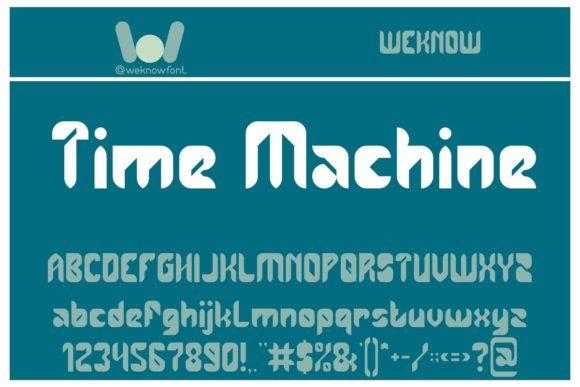
Every now and then, a font comes along that doesn't just fill a space on a page—it commands attention. Time Machine is one of those typefaces. It's a techno-sci-fi display font with a distinct personality that blends futuristic aesthetics with a touch of retro-futurism. If you've been scrolling through font libraries looking for something that feels both bold and visionary, this might be the one that stops your scroll.
A Typeface That Speaks in Code and Chrome
Time Machine isn't trying to be everything to everyone, and that's precisely what makes it effective. Its geometric letterforms carry a mechanical precision that evokes spacecraft consoles, cyberpunk interfaces, and speculative fiction covers. The edges are clean but not sterile. There's a sense of engineered purpose in every curve and angle—like the font was designed inside a lab where the future is being assembled piece by piece.
What makes it visually compelling is the balance between readability and character. Some display fonts sacrifice legibility for style, but Time Machine maintains a clarity that works well at larger sizes. The letter spacing and proportions feel intentional, giving designers room to use it in headlines and hero sections without worrying about the text becoming a puzzle for the viewer.
Where Time Machine Fits Naturally
Think about the projects where you need a typeface that immediately sets a mood. A tech startup launching a new product. A gaming channel building its visual identity. A podcast about artificial intelligence or emerging technology. A music producer dropping an electronic EP. In each case, the typography does heavy lifting before a single word is actually read.
For logo design, Time Machine offers a strong foundation. Its display characteristics make it suitable for logotypes that need to feel modern and forward-thinking. Pair it with a clean sans serif font for body text, and you've got a brand identity that communicates innovation without saying a word. Small business owners in the tech, gaming, or entertainment space will find it especially useful for creating a visual language that resonates with their audience.
On social media platforms like Instagram and YouTube, first impressions are measured in milliseconds. A thumbnail or post featuring Time Machine can cut through the noise of a crowded feed. It's bold enough to be legible at small sizes on mobile screens, which is a practical consideration many creators overlook when choosing a typeface for digital content.
Practical Applications Across Industries
The versatility of a display font like Time Machine extends well beyond digital screens. Consider how it performs across different design contexts:
- Poster and event design: Music festivals, tech conferences, gaming tournaments, and sci-fi conventions all benefit from a typeface that signals the event's energy before attendees read the details.
- Packaging design: Products in the consumer electronics, energy drink, or novelty space can use Time Machine on labels and boxes to reinforce a cutting-edge brand position.
- Merchandise and apparel: T-shirts, hoodies, and hats with bold typographic designs are a staple in streetwear and fan merchandise. Time Machine's distinctive style translates well to screen printing and embroidery.
- Editorial layouts: Magazine covers, book jackets, and comic titles in the sci-fi or action genre can use this font to set the tone from the first glance.
- Website headers and hero sections: For web design projects targeting a tech-savvy audience, using Time Machine in key visual areas creates immediate brand recognition and visual interest.
- Digital products and marketing assets: Email headers, banner ads, landing page headlines, and presentation slides all benefit from a typeface that feels purposeful and contemporary.
Content creators and marketers working on brand identity projects will appreciate how a single, well-chosen display font can unify visual communication across multiple channels. When your Instagram graphics, website banners, and printed materials share the same typographic DNA, the result is a cohesive brand experience that builds trust and recognition over time.
Making It Work: Pairing and Readability
No font exists in isolation. The real skill in typography is knowing how to combine typefaces so they complement rather than compete. Time Machine works best as the star of the show—a headline font, a logo typeface, a display hero. For body text, pair it with a neutral sans serif font or even a clean serif font depending on the project's tone. A geometric sans serif will reinforce the futuristic feel, while a humanist sans serif can soften it slightly for broader audiences.
Readability is always a consideration, even with display fonts. Time Machine is designed for impact at larger sizes, so resist the temptation to use it for long paragraphs or small text blocks. Instead, let it shine where it's meant to: titles, headers, short phrases, and callouts. For everything else, choose a complementary typeface that prioritizes legibility.
Testing is non-negotiable. Before committing to any font for a project, mock up a few variations. See how it looks on different backgrounds, at different sizes, and in different color combinations. Print a test page if the project involves physical materials. View it on a phone screen if it's going online. These small steps save revision time and prevent surprises down the line.
Licensing and Long-Term Value
One detail that separates professional designers from hobbyists is attention to licensing. A premium font like Time Machine typically comes with a commercial license, but the specifics vary. Before using it in client work, merchandise for sale, or any commercial application, review the license terms carefully. Some licenses cover unlimited personal use but require an extended license for commercial products. Others are more flexible. Understanding these terms protects you legally and ensures your investment in quality design assets pays off without complications.
For entrepreneurs and small business owners building a brand from scratch, investing in a quality typeface is one of the most cost-effective decisions you can make. A distinctive font becomes part of your brand's visual fingerprint. It's the element customers associate with your content before they even process the words. That kind of recognition doesn't happen by accident—it's built through consistent, intentional design choices.
Choosing the Right Moment for a Bold Font
Not every project calls for a techno-sci-fi display typeface. That's worth saying plainly. A law firm's website, a children's book, or an organic food brand probably isn't the right context for Time Machine. But when the project demands energy, innovation, and a sense of forward motion, this font delivers. It's about matching the typeface personality to the project's goals and the audience's expectations.
Designers, content creators, and marketers who work across multiple industries know that having a diverse font library is essential. Time Machine earns its place in that library as the go-to option when a project needs to feel futuristic, technical, or boldly creative. Whether you're designing a movie poster, building a gaming brand, creating YouTube thumbnails, or developing a full corporate identity for a tech company, having a reliable display font that consistently performs is invaluable.
The best typography decisions are the ones that feel inevitable in hindsight. When a viewer sees your design and the typeface just works—when it amplifies the message instead of distracting from it—that's when you know you've found the right fit. Time Machine is built for those moments where the future is the story, and the design needs to tell it with conviction.